For years, link-in-bio pages were treated as a simple utility – just a place to store a few links and send traffic somewhere else. They weren’t seen as part of a creator’s strategy. They were just a bridge between platforms.
But that role is changing fast.
As the creator economy grows, so does the need for more independence. Traffic comes from multiple sources. Audiences behave differently depending on where they come from. And monetization is no longer limited to a single platform. In this environment, sending users through a basic list of links is no longer enough.
Creators are starting to think differently about what their “bio link” actually represents. It’s no longer just a static page. It’s becoming a space where users land, explore, and decide what to do next.
This shift is especially important for OnlyFans creators. Restrictions, limited visibility, and platform dependence make it harder to rely on a single channel. A more structured system becomes necessary – one that connects traffic, content, and monetization in a way that stays in the creator’s hands.
That’s where tools like GetMy.Link come in.
Rather than acting as a simple link aggregator, it introduces a different approach – one where a bio page becomes a functional part of your business. Not just a place to send users, but a system that helps convert them.
And that shift is what defines the future of link-in-bio tools.
From One Link to Full Control: How Bio Links Are Evolving
Not long ago, a link-in-bio page had a very simple purpose. It was a short list of links – nothing more. One button for OnlyFans, another for social media, maybe a third for messaging. The structure was basic, and most creators didn’t think much about it.
But as traffic strategies became more complex, that model started to break.
Creators are no longer sending users from one platform to one destination. Traffic now comes from multiple sources – short-form video, social feeds, communities, and search. Each of these audiences behaves differently. Some are just browsing. Others are ready to subscribe. And a single list of links doesn’t account for that difference.
This is where the role of a bio page begins to change.
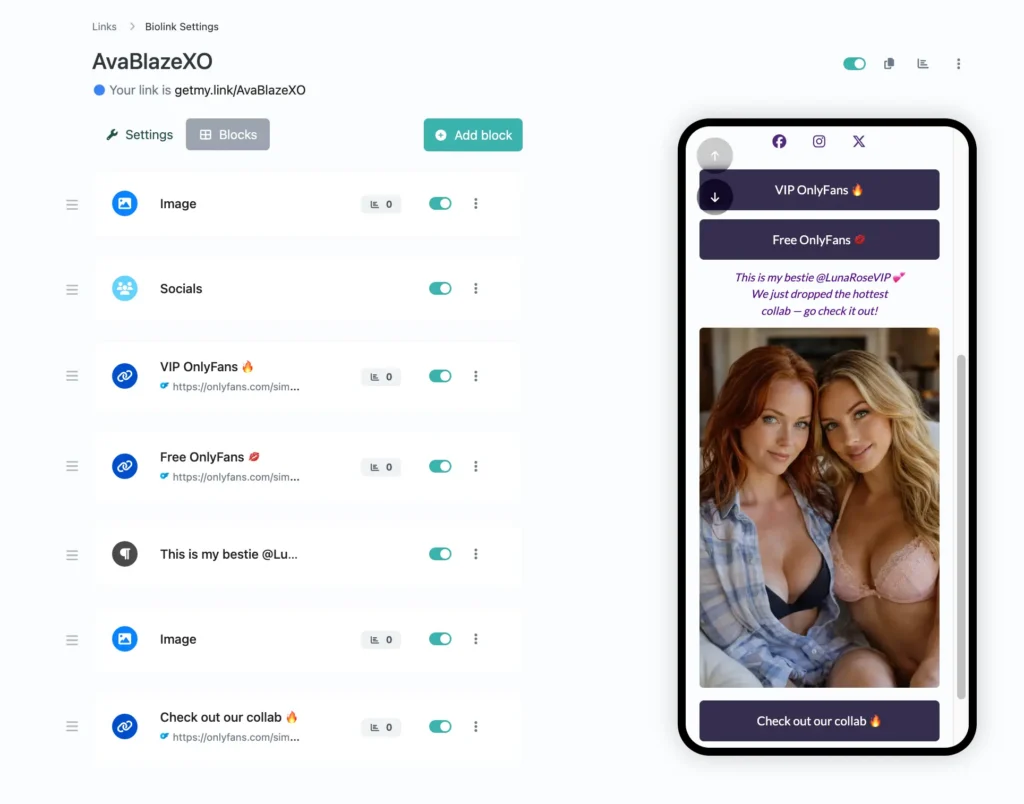
Rather than functioning as a simple directory, it becomes a structured environment. Content is organized. Offers are positioned intentionally. Navigation is designed to guide users rather than leave them guessing where to click next.
In practice, this means a bio page starts to resemble a lightweight website.
Sections can highlight different types of content. Visual previews help set expectations before a user clicks. Messaging can be adjusted depending on the audience. The page guides users through a more natural flow instead of forcing them to choose between unrelated links.
This shift matters because it directly affects conversions.
When users land on a page that feels organized and purposeful, they are more likely to stay, explore, and take action. When everything is scattered or unclear, even interested visitors drop off quickly.
For OnlyFans creators, this difference is even more noticeable. Traffic is often hard to get, and every click matters. A poorly structured bio page can waste that traffic. A well-built one can turn it into consistent results.
That’s why link-in-bio tools are no longer just a convenience.
They’re becoming a core part of how creators manage attention – and turn it into something measurable.
Why Traditional Bio Tools Don’t Work for OnlyFans Creators
Most link-in-bio tools were built with a general audience in mind. They work well for influencers, brands, and creators who operate within standard content guidelines. But for OnlyFans creators, the situation is very different.
The first issue is restrictions.
Many popular bio link platforms limit or flag adult content. Some links get hidden behind warning screens. Others are removed or deprioritized without clear explanation. In certain cases, entire pages can be restricted based on what they contain.
Even when links are technically allowed, visibility isn’t always consistent.
A link might work one day and behave differently the next. It can be harder to access, slower to load, or placed behind additional steps that users don’t expect. Each extra layer creates friction – and friction reduces the chance that someone will follow through.
There’s also an important difference between traffic sources.
Not all platforms allow the same type of content. Traffic coming from X or Reddit can usually be directed to a more explicit, NSFW-style page without issues. But platforms like TikTok, Instagram, or YouTube require a different approach.
In those cases, creators often need to use a separate “safe” page – something that looks clean, neutral, and compliant with platform rules. This extra layer acts as a bridge before leading users to more explicit content.
Most basic link tools aren’t designed to support this kind of setup.
They assume one page for everything, which doesn’t reflect how creators actually work across different platforms.
Another limitation comes from how content warnings are handled.
Many bio link platforms automatically add 18+ warning screens or restrict how they appear. While this is meant to ensure compliance, it also creates an extra step for users and limits how your page can be presented.
With more flexible tools, this becomes a choice.
Platforms like GetMy.Link allow creators to decide whether to include a content warning or not, depending on their strategy and traffic source. This makes it easier to adjust how your page looks for different audiences, without being forced into a single format.
The second issue is lack of flexibility.
Traditional tools are designed to be simple, but that simplicity comes with limitations. You get a basic list of links, minimal customization, and very little ability to structure the page in a way that reflects your content or your audience.
For creators working with multiple traffic sources, this becomes a problem.
Someone coming from TikTok may need a different entry point than someone coming from Reddit. A new viewer might need context, while a returning fan is ready to act immediately. A static list of links doesn’t adapt to those differences.
The third issue is missed monetization.
Most basic link tools are not built to support direct income. They act as a bridge, not a destination. Users are sent somewhere else, and every additional step creates an opportunity for drop-off.
For OnlyFans creators, that can mean lost revenue.
Traffic is already difficult to maintain. If the page in between doesn’t guide users effectively, even strong interest can fade before it turns into a subscription or purchase.
This is where more advanced tools start to stand out.
Platforms like GetMy.Link are built with adult creators in mind, which changes the way these limitations are handled. There are no built-in restrictions on content type, and creators can structure their pages depending on where their traffic comes from.
You don’t have to force everything into one layout. You can create multiple versions of your bio page – for example, a safe version for TikTok or Instagram, and a more direct version for X or Reddit.
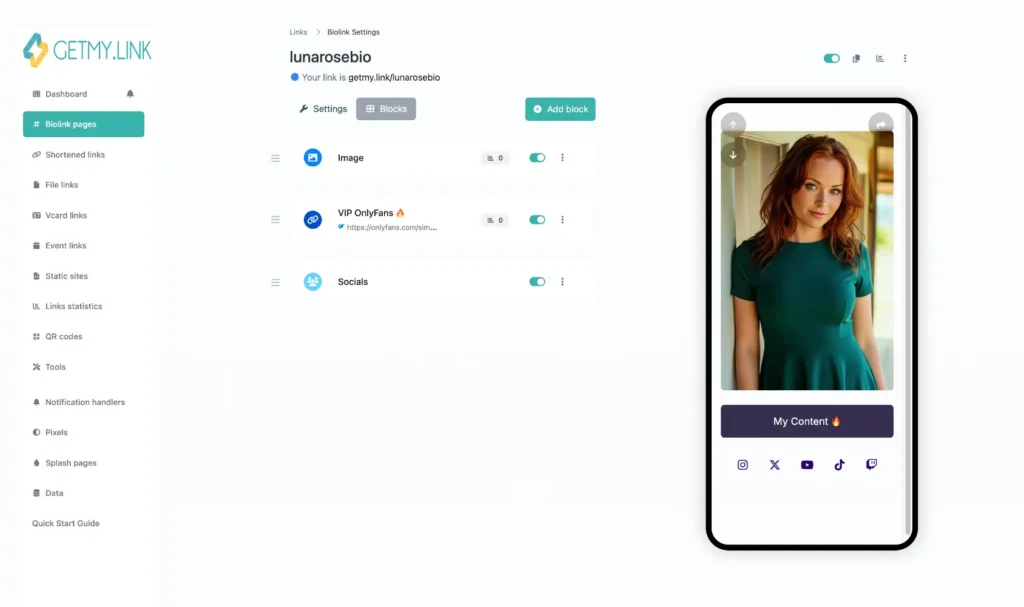
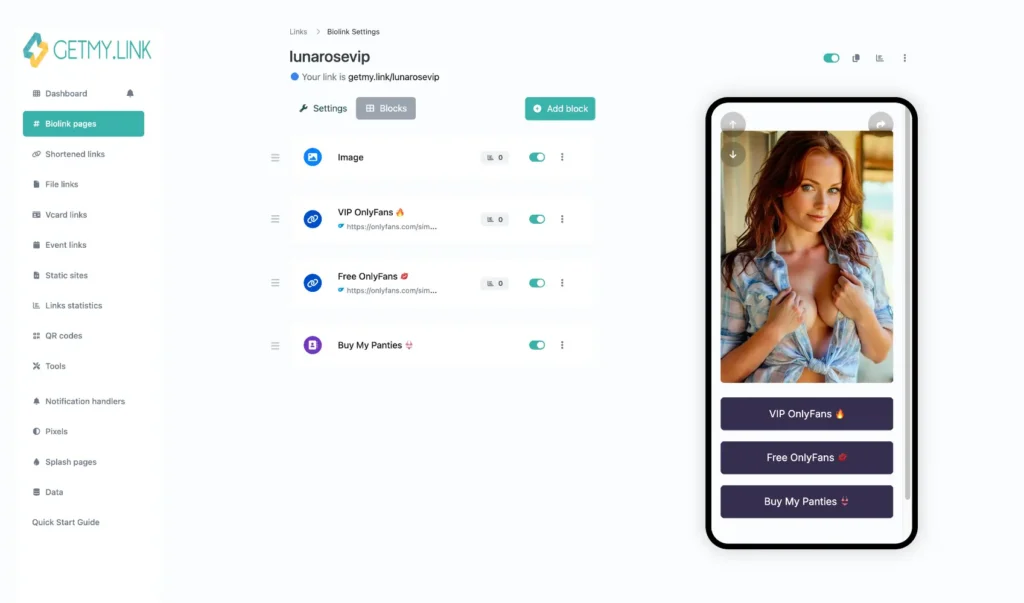
That’s where flexibility becomes essential.
GetMy.Link allows creators to build as many pages as they need, without tight limits. That makes it easier to test different approaches, adjust for different audiences, and refine what works best over time.
And because the platform doesn’t take commissions, creators keep full ownership over how they monetize their traffic.
Taken together, this removes one of the biggest bottlenecks in the process.
Creators can guide users through a system that matches both platform rules and audience expectations, rather than losing them between platforms.
The Shift to Creator Infrastructure (Not Just Tools)
As creators grow, one thing becomes clear: using separate tools for every task starts to create more problems than it solves.
At first, the setup looks simple. One platform for traffic. Another for monetization. A link tool in between. Maybe a messaging app on top of that. Each tool handles a specific function.
But over time, this structure becomes fragmented.
Links are managed in one place. Payments in another. Content is stored somewhere else. Analytics are either missing or spread across different dashboards. None of these parts are connected, and every update requires manual adjustments.
That disconnect creates friction behind the scenes.
A new offer needs to be added in multiple places. A broken link goes unnoticed. Traffic flows in, but there’s no clear view of what actually converts. Nothing works like a true system. Everything feels disconnected.
For OnlyFans creators, this becomes even more noticeable.
Traffic sources are constantly changing. Content needs to be adapted depending on the platform. Monetization isn’t limited to one channel. And without a unified structure, it becomes harder to scale anything consistently.
This is where the idea of “creator infrastructure” starts to take shape.
Creators begin moving away from isolated tools and toward a central layer that connects everything. A place where traffic, content, and monetization are not just linked, but organized in a way that makes sense.
In this model, the bio link is no longer just a destination. It becomes the layer where traffic, content, and monetization come together in a structured way.
Traffic from different platforms flows into a single environment. Content is organized rather than scattered. Offers are presented in context, not as random links. And instead of sending users through multiple disconnected steps, the entire experience is designed as a single flow.
This shift changes how creators think about growth.
It’s no longer about managing tools individually. It’s about building a system where each part supports the others – and where everything is easier to manage, update, and scale.
Platforms like GetMy.Link are built around this idea.
Rather than adding another tool to the stack, they replace multiple layers with one consistent structure. Bio pages, links, content hosting, and monetization options are all managed in one place, which removes the need to constantly switch between different services.
For creators, this has a direct impact.
Less time spent managing tools. Fewer points of failure. And a clearer understanding of how traffic turns into revenue.
The result is not just convenience.
It’s a structure that makes growth more stable – and much easier to maintain over time.
What Makes GetMy.Link Different from Traditional Bio Tools
At a glance, most link-in-bio tools seem similar. They all offer a place to add links, share content, and direct traffic. But once you start working with them more closely, the differences become clear.
Traditional tools focus on simplicity.
You get a basic page, a list of links, and limited customization. That works for simple use cases. But for creators who rely on multiple traffic sources and want to control how users move through their content, this setup quickly reaches its limits.
GetMy.Link approaches the problem differently.
It doesn’t treat the bio page as a static list. It turns it into a flexible system that can be structured around your audience and your goals.
What stands out most is how everything connects.
With traditional tools, you’re often sending users away from the page as quickly as possible. Click a link, leave the page, and move on. With GetMy.Link, the page itself becomes an environment where users can explore, interact, and make decisions without unnecessary steps.
This changes how traffic behaves.
Instead of bouncing between different platforms, users stay within a structured space where content, offers, and navigation are all aligned. That makes the experience smoother and increases the chances of conversion.
This setup gives creators much more flexibility.
Creators are not limited to a single layout or a single page. You can build multiple pages, adjust them for different traffic sources, and organize content in a way that reflects how your audience actually interacts with you.
For example, a page designed for TikTok traffic can look very different from one designed for Reddit or X. Messaging, structure, and content can be adjusted without rebuilding your entire setup.
Most basic tools don’t offer that level of flexibility.
There’s also the question of content freedom.
Many link-in-bio platforms apply restrictions that make it harder for adult creators to operate freely. GetMy.Link is built with a different focus. It supports adult-friendly content, which removes a major barrier and allows creators to present their content without constant workarounds.
That alone makes a significant difference for OnlyFans creators.
Beyond that, the platform combines several functions that are usually spread across different tools.
Links, content blocks, file sharing, and even full pages can be managed within the same system. Everything is organized in one place, rather than spread across multiple services.
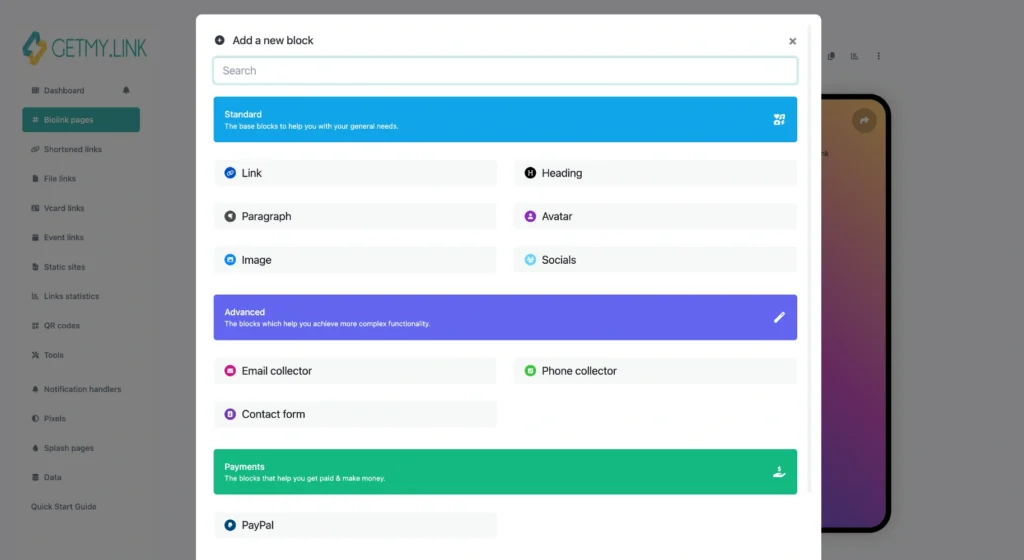
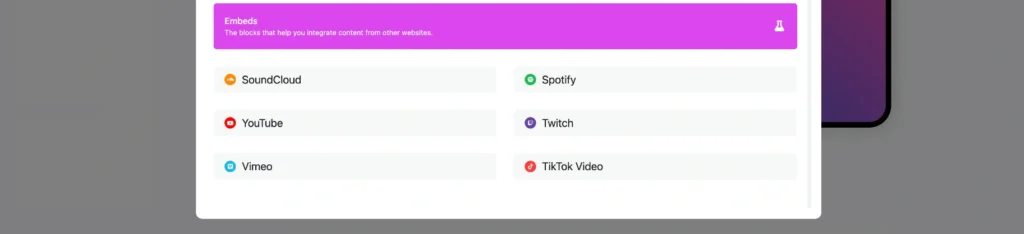
This also makes scaling much easier.
GetMy.Link does not limit creators to a small number of pages or links. You can build as many variations as you need, test different structures, and refine your setup over time without hitting strict limits.
This makes it easier to experiment and improve performance without rebuilding your entire system.
There’s also the question of ownership over earnings.
Unlike many platforms that take a percentage of revenue, GetMy.Link does not charge commissions on what you earn. That means creators keep full control over their income and how it’s generated.
Taken together, these differences point to a larger shift.
GetMy.Link is not just improving the idea of a bio link. It’s redefining what that layer can do – turning it from a simple tool into a core part of a creator’s system.
Beyond Links: Turning Your Bio Page Into a Monetization Layer
Originally, link-in-bio pages were treated as a simple transition point. Their only purpose was to move users from one platform to another – for example, from TikTok or Instagram to OnlyFans.
But that model has a limitation.
Every extra step between interest and action increases the chance that a user drops off. Even highly engaged visitors can lose momentum if they have to click through multiple pages before reaching the final destination.
That’s why the role of a bio page is starting to change.
It no longer works as a pass-through. Instead, it becomes a place where monetization can happen directly.
With the right setup, a bio page can present offers, showcase content, and guide users toward specific actions without sending them through a chain of disconnected links. This makes the experience more direct and easier to act on.
For OnlyFans creators, this opens up new possibilities.
A bio page can include previews of content, highlight different types of offers, or organize multiple subscription options in a way that feels clear and intentional. Creators can shape the experience before that step even happens, rather than sending users to a single page and hoping they convert.
It also makes it easier to work with multiple income streams.
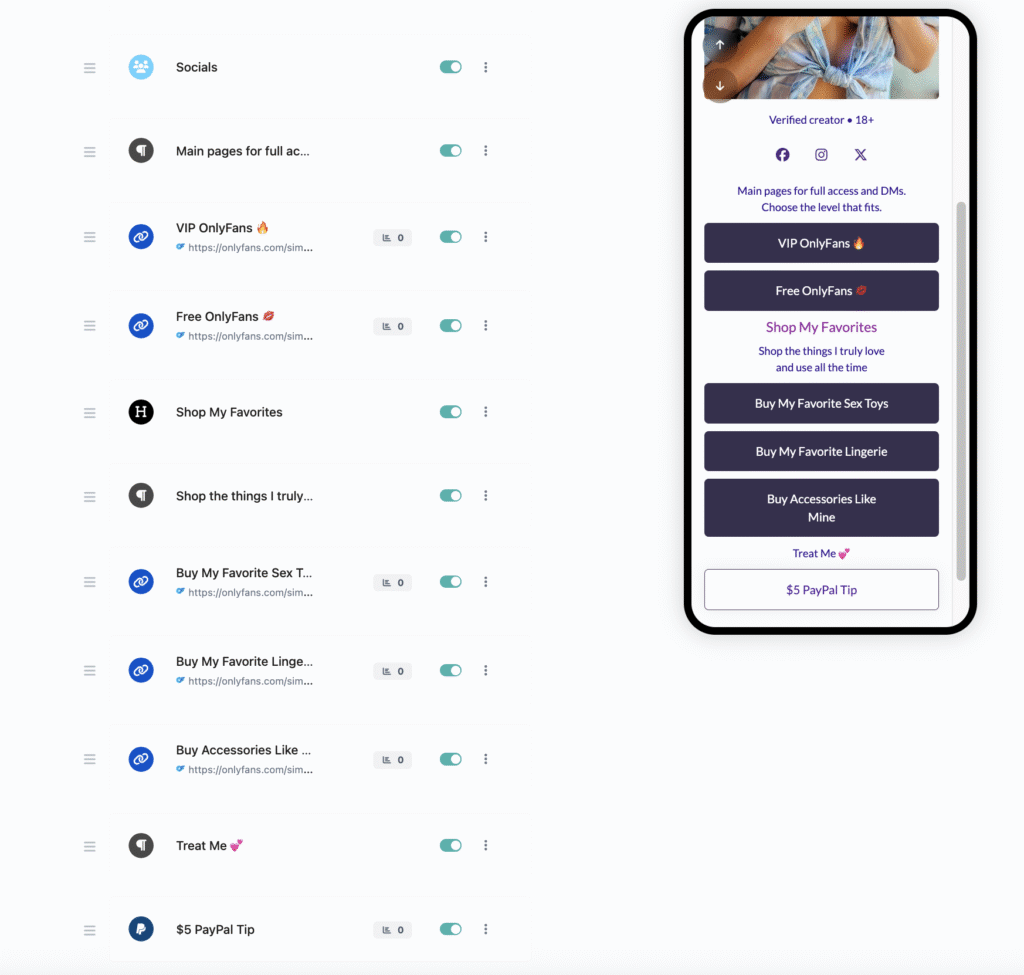
Not all fans are looking for the same thing. Some are ready to subscribe. Others prefer one-time purchases. Some want direct interaction. A structured bio page allows creators to present these options side by side, without forcing users into a single path.
That’s where the model starts to shift.
With GetMy.Link, creators can go beyond simple linking. Because it supports file sharing and content delivery, they can provide access to media, organize paid offers, and create a more complete experience within the same environment.
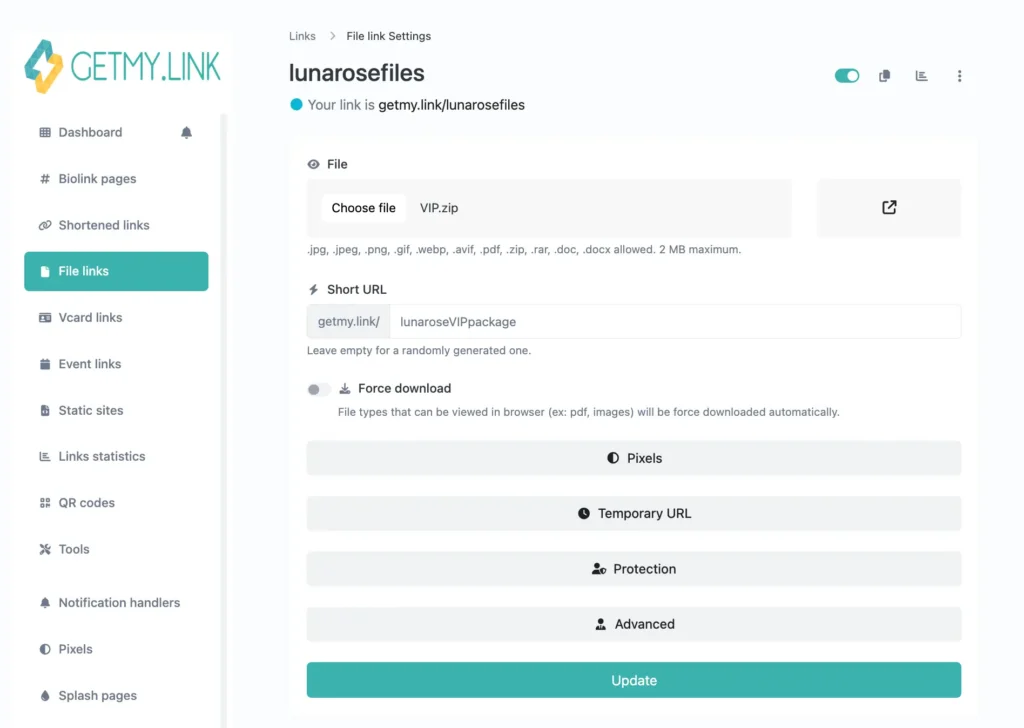
Combined with connected payment systems, this turns the bio page into something much more than a navigation tool.
This makes monetization more predictable and easier to manage.
When monetization happens across multiple platforms, creators are often limited by fees, restrictions, and changing policies. By shifting part of that process into a space they manage themselves, creators reduce their reliance on external platforms.
This doesn’t replace platforms like OnlyFans.
It complements them.
OnlyFans remains a core destination, but it’s no longer the only place where value is created. The bio page becomes part of the revenue flow, not just a step before it.
This shift also changes how creators think about their audience.
They can guide different types of users toward different offers, rather than sending everyone to the same place. New visitors can start with previews or lighter content. More engaged fans can move toward higher-value options.
Everything happens within a single, structured space, making it easier for users to move from interest to action.
The fewer steps between interest and action, the easier it becomes to turn attention into income – and to do it in a way that stays in your hands.
What Works: Data, Tracking, and Smarter Decisions
Once your system is in place, another shift starts to happen.
It’s no longer just about sending traffic somewhere.
It’s about understanding what happens after the click.
Most platforms don’t give creators full visibility. You can see views, likes, maybe clicks – but not how users actually move through your funnel. Not which links perform best. Not which audience converts better.
That creates blind spots.
You might be getting traffic from multiple sources, but without clear data, it’s hard to know what’s really working.
At this point, your link hub becomes more than just a page.
It becomes the place where you can actually observe how your traffic behaves.
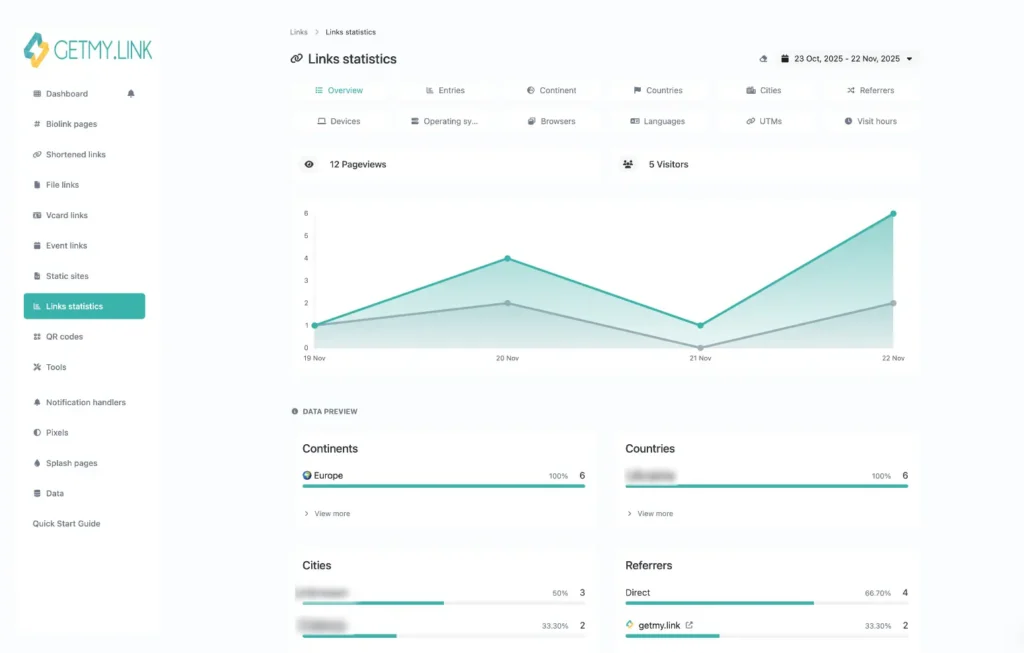
Because all traffic passes through it, you can start tracking patterns:
- which platforms bring the most engaged users
- which links get the most clicks
- where users drop off
- which offers perform better
Even simple insights can change how you approach growth.
You stop guessing and start adjusting based on real behavior.
For OnlyFans creators, this is especially important.
Different platforms bring very different audiences.
TikTok traffic behaves differently than X. Reddit users behave differently than Instagram.
Without a central place to observe that behavior, everything feels random.
With it, you can see exactly what drives results.
You can start refining your setup:
- adjusting your link structure
- changing how offers are presented
- testing different page versions for different traffic sources
Over time, the system becomes more predictable, and results are easier to scale.
That’s another way link-in-bio tools are evolving.They’re no longer just a place to send people.
They’re becoming a layer where decisions are made – and where strategy becomes measurable.
What the Future Looks Like for Creator Tools
The way creators use tools is changing.
This shift is already happening across the creator space. For years, creators relied on separate tools – one for content, another for links, another for payments, and another for communication. Each part worked on its own, and creators had to connect everything manually.
That setup still exists – but it’s starting to feel outdated.
The trend is becoming clear.
Tools are becoming more integrated. Creators are moving away from juggling five different services for traffic, content, and monetization, and toward systems where everything works together in one place.
This shift is not about convenience.
It’s about stability.
When your setup is fragmented, every change on a platform affects you. A link stops working. A page gets restricted. A feature is removed. And suddenly, part of your system breaks.
When everything is connected through a structure you manage, those changes become less critical.
That’s where link-in-bio tools are evolving the most.
They are no longer just a small feature attached to your profile.
They are becoming the layer that defines how everything works together.
In the future, this role will only grow stronger.
A link hub will not just organize links. It will:
- manage traffic from different sources
- present personalized offers
- connect directly to payment systems
- deliver content without extra steps
- adapt based on user behavior
More of the process will happen directly within the hub, rather than sending users elsewhere.
For OnlyFans creators, this is especially important.
Relying fully on external platforms always comes with risk. Policies change. Visibility shifts. Payment systems evolve. Even small changes can affect income.
A more independent structure makes your setup more stable over time.
With tools like GetMy.Link, creators are already moving in that direction.
By combining traffic management, content presentation, and monetization in one place, it becomes possible to build a system that doesn’t depend entirely on any single platform.
That doesn’t mean external platforms disappear.
TikTok, X, Reddit, and others will still play a major role in discovery and traffic. But their role becomes more defined. They bring attention – not control.
The center shifts away from external platforms and into your own system.
And that center is no longer a social profile.
It’s the structure you build around it.
This is what defines the future of creator tools.
Not more features.
Not more platforms.
But better systems – where everything works together, and where the creator stays in control.
Conclusion
Link-in-bio tools are no longer a minor detail in a creator’s setup.
They are becoming one of the most important parts of how the entire system works.
For OnlyFans creators, this shift is especially noticeable.
Traffic is no longer coming from a single source. Audiences are spread across multiple platforms. Monetization is no longer tied to just one destination. And relying on external tools alone creates too much uncertainty.
Because of this, the role of a bio page is changing.
It’s no longer just a place to store links.
It’s where attention turns into action, and where users decide what to do next.
That’s what makes GetMy.Link different.
It no longer acts as a simple connector between platforms. It becomes part of the system itself. A space where creators can shape how users move, what they see, and how they convert.
This gives creators a more stable foundation.
When one platform changes its rules or slows down, the rest of the structure continues to work. Traffic continues to flow without disruption, even when one platform changes.
And that’s the direction everything is moving toward.
The future of creator tools isn’t about adding more platforms or chasing more reach.
It’s about building systems that connect everything together – and give you control over how it all works.
In that system, your link-in-bio is no longer just a link.
It’s the center of your entire strategy.